You apply your clusters, everything looks great — and then a few hours later the inner corner cluster is lifting away from your lash line. Or maybe it lifts almost immediately after application. Either way, it's one of the most frustrating beginner problems with cluster lashes, and it happens to almost everyone at first. The good news is that inner corner lifting is almost always caused by one of two things: placement too close to the inner corner, or not enough bond at the base. Both are fixable once you know what to look for.
Why the inner corner is different from the rest of the lash line

The inner corner of your eye is a high-movement zone. Every time you blink, look sideways, or rub your eyes, the skin and lashes at the inner corner move more than anywhere else on the lash line. The natural lashes there are also shorter and finer than the lashes in the center or outer corner, which means there's less surface area for a cluster to bond to. On top of that, the inner corner lash line curves inward toward the tear duct, so a cluster placed there is fighting a curved surface rather than a relatively flat one. All of this means the inner corner is the hardest spot on the lash line to get a cluster to stay flat and bonded — and it's the first place to show problems.
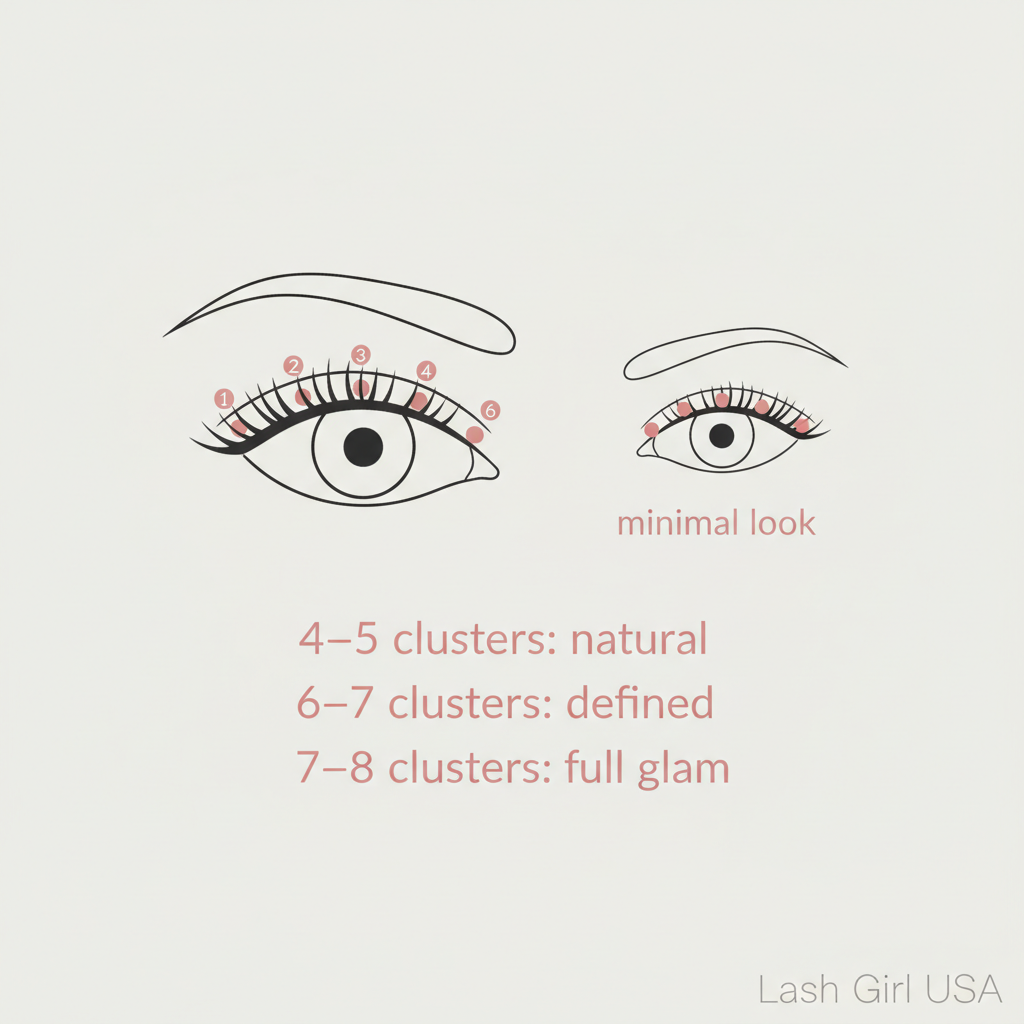
Pro tip: If you're new to cluster lashes, skip the inner corner entirely on your first few applications. A 4–5 cluster look that starts 3–4mm from the inner corner will look more polished than a 6-cluster look where the innermost cluster is lifting.
Cause 1 — Placing the cluster too close to the inner corner

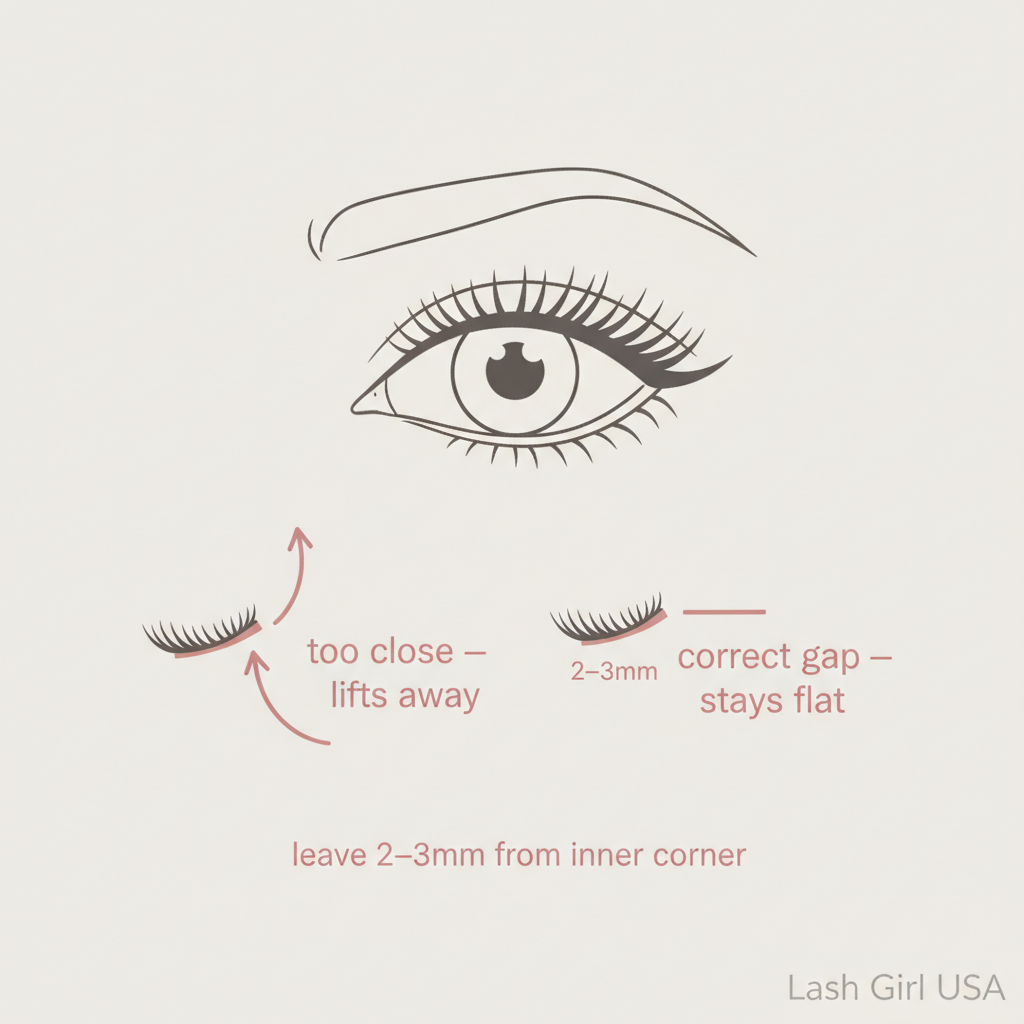
The most common cause of inner corner lifting is placing a cluster right at the very edge of the inner corner, where the lash line curves sharply inward toward the tear duct. At this point the natural lashes are extremely short and sparse, and the curved surface means the flat base of the cluster can't make full contact with the lash line. The result is a cluster that's only bonded at one edge, which means it lifts away from the other edge almost immediately. The fix is simple: leave a gap of at least 2–3mm between your innermost cluster and the very inner corner of your eye. This keeps the cluster on the flatter, more stable part of the lash line where the natural lashes are long enough to hold it properly.
Pro tip: Use a lash ruler or the tip of your tweezers to estimate the 2–3mm gap before you place the cluster. After a few applications you'll be able to eyeball it reliably.
Cause 2 — Not enough bond at the base

The second cause is insufficient adhesive contact at the base of the cluster. This can happen in a few ways: not enough lash bond applied to the cluster base, the bond was too dry before placement (it needs to be tacky, not wet or fully dry), or the cluster wasn't pressed firmly enough against the natural lashes after placement. For the inner corner specifically, pressing firmly matters more than anywhere else because the curved surface means the cluster naturally wants to sit at an angle. After placing an inner corner cluster, hold it gently against your lash line for a full 10–15 seconds — longer than you would for a center cluster — to give the bond time to grip the natural lashes properly.
Pro tip: Apply a small amount of lash bond to the base of the cluster, wait 20–30 seconds until it's tacky (not wet), then place and hold. Rushing either step is the most common reason clusters lift early.
How to apply the inner corner cluster correctly
Start by identifying where your innermost cluster should go — 2–3mm from the very inner corner, on the part of the lash line where your natural lashes are still long enough to hold a cluster. Apply lash bond to the base of the cluster and wait until it's tacky. Using tweezers or your fingertip, place the cluster on top of your natural lashes as close to the lash root as possible — not on the skin, and not floating above the lashes. Press gently but firmly and hold for 10–15 seconds. Then look straight ahead and check that the cluster is lying flat. If one edge is lifting, press it back down immediately while the bond is still workable. Once it's set, don't touch it.
Pro tip: Place your inner corner cluster last, after all other clusters are set. This way you can see exactly how much space is left and choose the right cluster size for the gap.
What to do if a cluster lifts after application

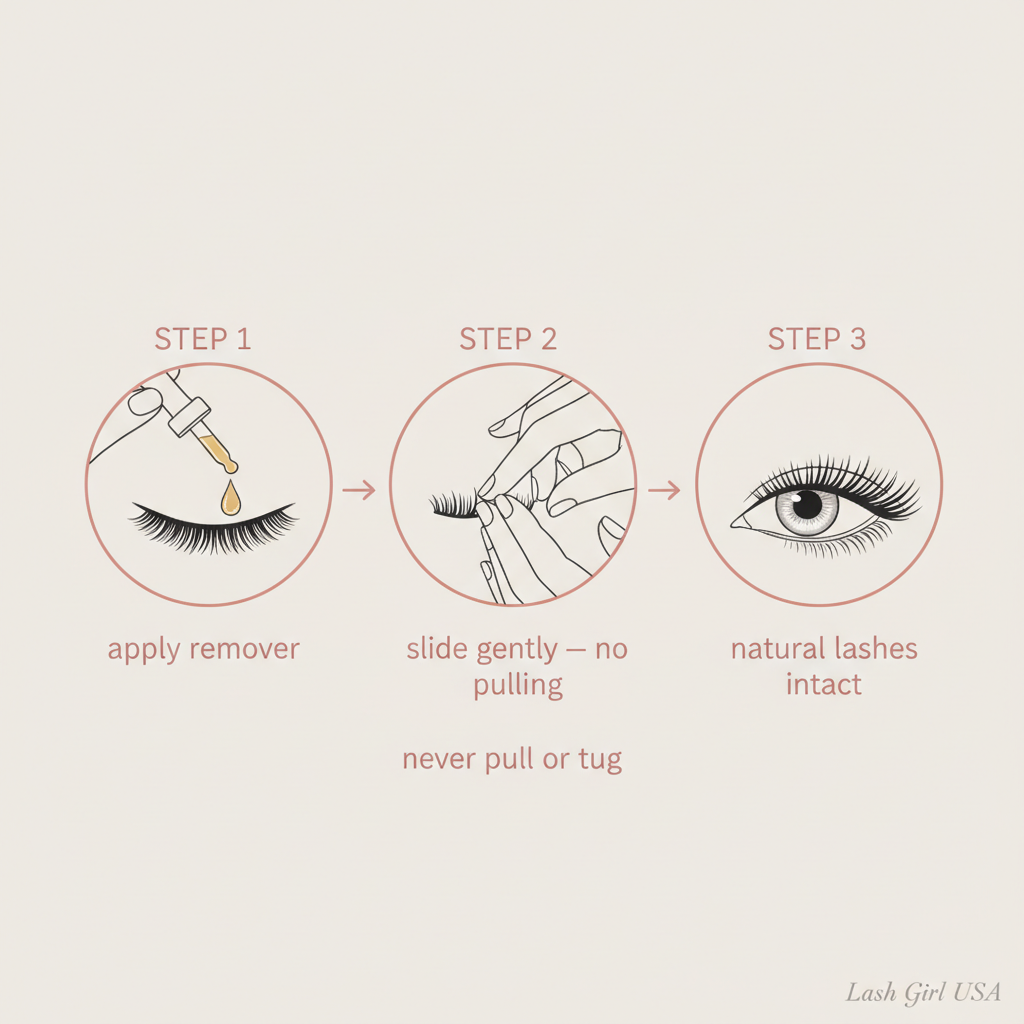
If an inner corner cluster lifts within the first hour, the bond hasn't fully cured yet and you may be able to press it back down. Apply a tiny amount of fresh lash bond to the lifted edge using a micro brush or the tip of a clean toothpick, wait until it's tacky, then press the cluster firmly against your lash line and hold for 15–20 seconds. If the cluster has been lifting for several hours or has lifted completely away from the lash line, it's better to remove it cleanly and reapply a fresh cluster. Trying to re-bond a cluster that's been lifting for a long time usually results in a lumpy, uneven bond that lifts again quickly.
Pro tip: Keep a small bottle of lash bond and a micro brush in your bag for touch-ups. A 30-second fix mid-day is much easier than removing and reapplying.
Preventing lifting on future applications
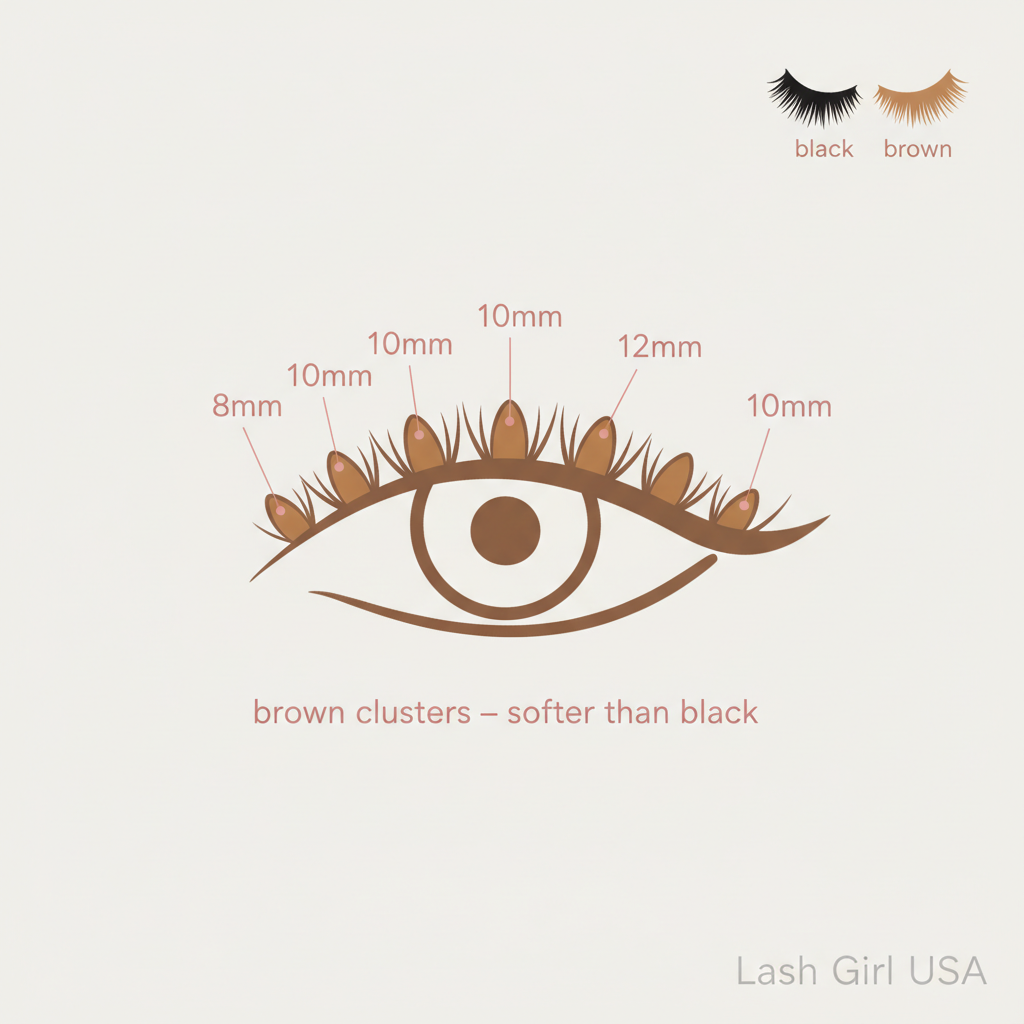
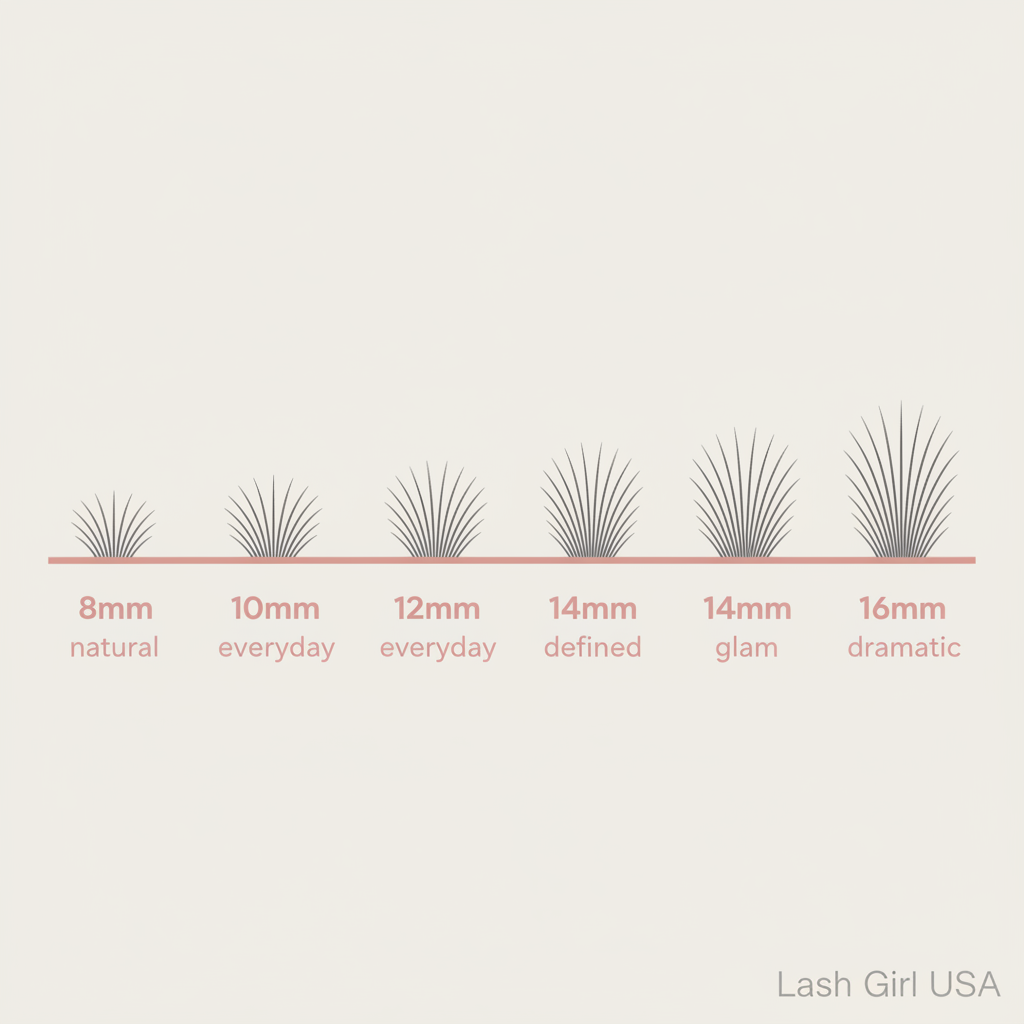
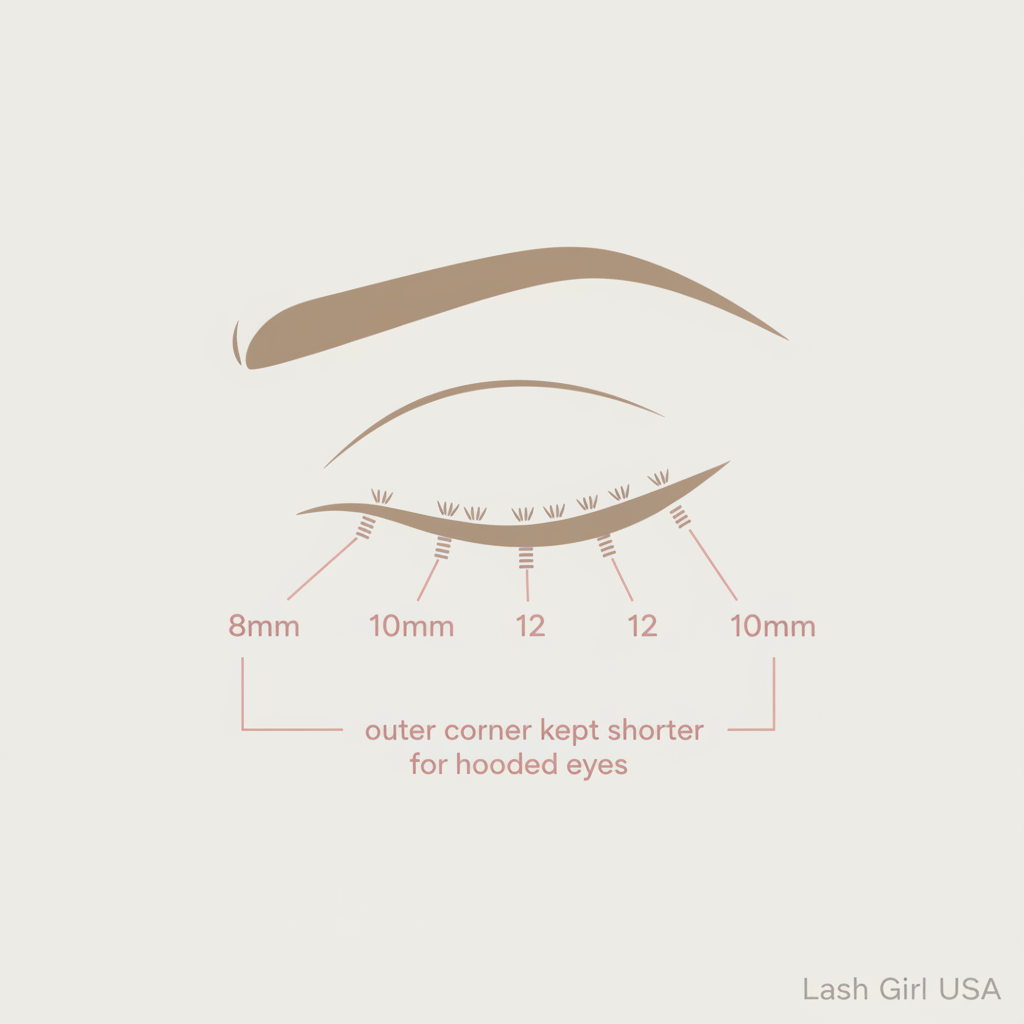
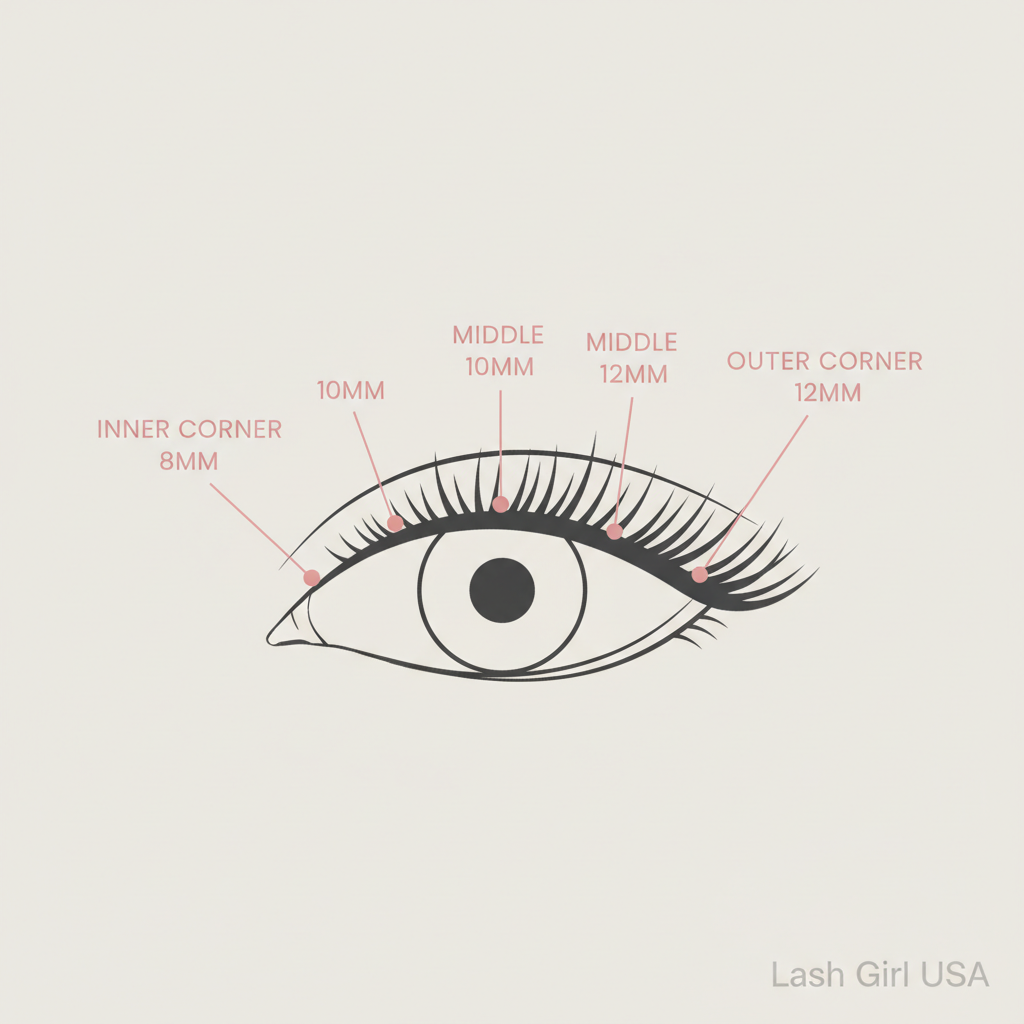
A few habits make a consistent difference for inner corner longevity. Clean your natural lashes before every application — oil, makeup residue, and skincare products all weaken adhesive bonds. Use a lash primer or cleanser if you have oily lids. Choose the right cluster size for the inner corner: a shorter, narrower cluster (8mm) sits more naturally on the curved inner lash line than a longer, wider one. Avoid applying eye cream or oily products near the inner corner on days you're wearing clusters. And resist the urge to rub your eyes — the inner corner is the first place to feel irritated, and rubbing is the fastest way to break the bond.
Pro tip: If inner corner lifting is a persistent problem despite correct placement and technique, try switching to a stronger-hold lash bond. Some bonds are formulated specifically for longer wear and handle high-movement zones better.
Frequently asked questions
Why does only my inner corner cluster lift and not the others?
The inner corner has shorter, finer natural lashes, a curved lash line, and more movement than the rest of the lash line — all of which make it harder for a cluster to bond and stay flat. The other clusters sit on a flatter, more stable surface with longer natural lashes to grip.
How close to the inner corner should I place my first cluster?
Leave at least 2–3mm of gap between your innermost cluster and the very inner corner of your eye. This keeps the cluster on the flatter, more stable part of the lash line where the natural lashes are long enough to hold it properly.
Can I skip the inner corner cluster entirely?
Yes — and for many eye shapes it actually looks better. A look that starts 3–4mm from the inner corner and ends just before the outer corner reads as clean and intentional. You don't need to fill every millimeter of your lash line.
Does lash bond brand matter for inner corner lifting?
It can. Some bonds have stronger initial tack and longer wear time than others. If you've corrected your placement and technique and still have persistent lifting, switching to a stronger-hold bond is worth trying. Look for bonds marketed for sensitive eyes or extended wear.
Safety note: Eye-area products can cause irritation or allergic reactions in some people. Follow the manufacturer's directions, avoid applying adhesive directly to the eye or waterline, discontinue use if irritation occurs, and seek appropriate medical care for persistent or severe symptoms.
Lash Girl USA creates beginner-focused guides about DIY lash clusters, application techniques, tools, styles, retention, and product selection.